Operating Model / Physical AI Infrastructure
Robots are assets.
Operations are the product.
GappAI's long-term model is to develop, deploy and manage robotic capacity for industry, public systems and the built environment—across customer-owned, investor-owned and GappAI-managed fleets.
Start with a pilot ↗01 / The position
The customer should not have to become a robotics company.
Robot manufacturers build increasingly capable machines. Operating organisations still need task data, skills, integration, safety, fleet supervision and continuous improvement. GappAI is being built for this layer between hardware and useful work.
Today, the entry point is a bounded Physical AI Pilot. The longer-term objective is managed robotic operations sold through measurable service capacity rather than a one-time machine sale.
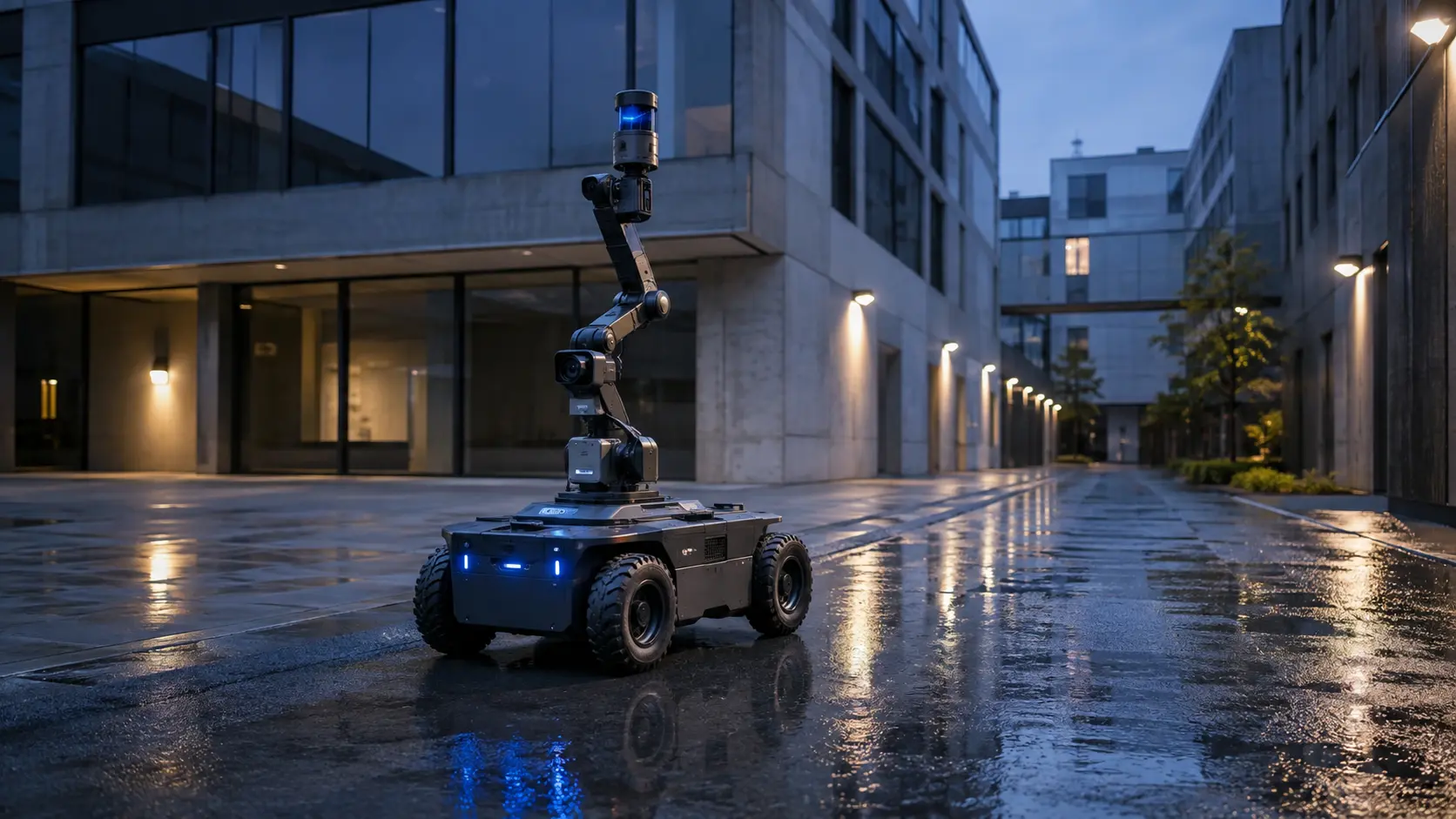
Connected fleet / Real-world operation
Intelligence deployed
as infrastructure.
02 / Two delivery models
Own the robots.
Or buy the result.
GappAI is designed to serve organisations that already control robotic assets and organisations that want a complete managed service.
Model 01 / Intelligence & managementYour fleet.
GappAI capability.
The customer, OEM or asset investor owns the robots. GappAI develops and licenses skills, adapts them to supported platforms and manages performance, updates and operational evidence.
- Skill development and licensing
- Embodiment and site adaptation
- Fleet supervision and improvement
- Safety and performance evaluation
Model 02 / Managed robotic operationsGappAI-managed fleet.
Measured service.
Robots are financed through GappAI or dedicated fleet structures and operated as an integrated service. The customer contracts for availability, capacity or completed work—not for hardware ownership.
- Robot and sensor selection
- Fleet financing and deployment structure
- Operations, maintenance coordination and monitoring
- Outcome- and service-level reporting
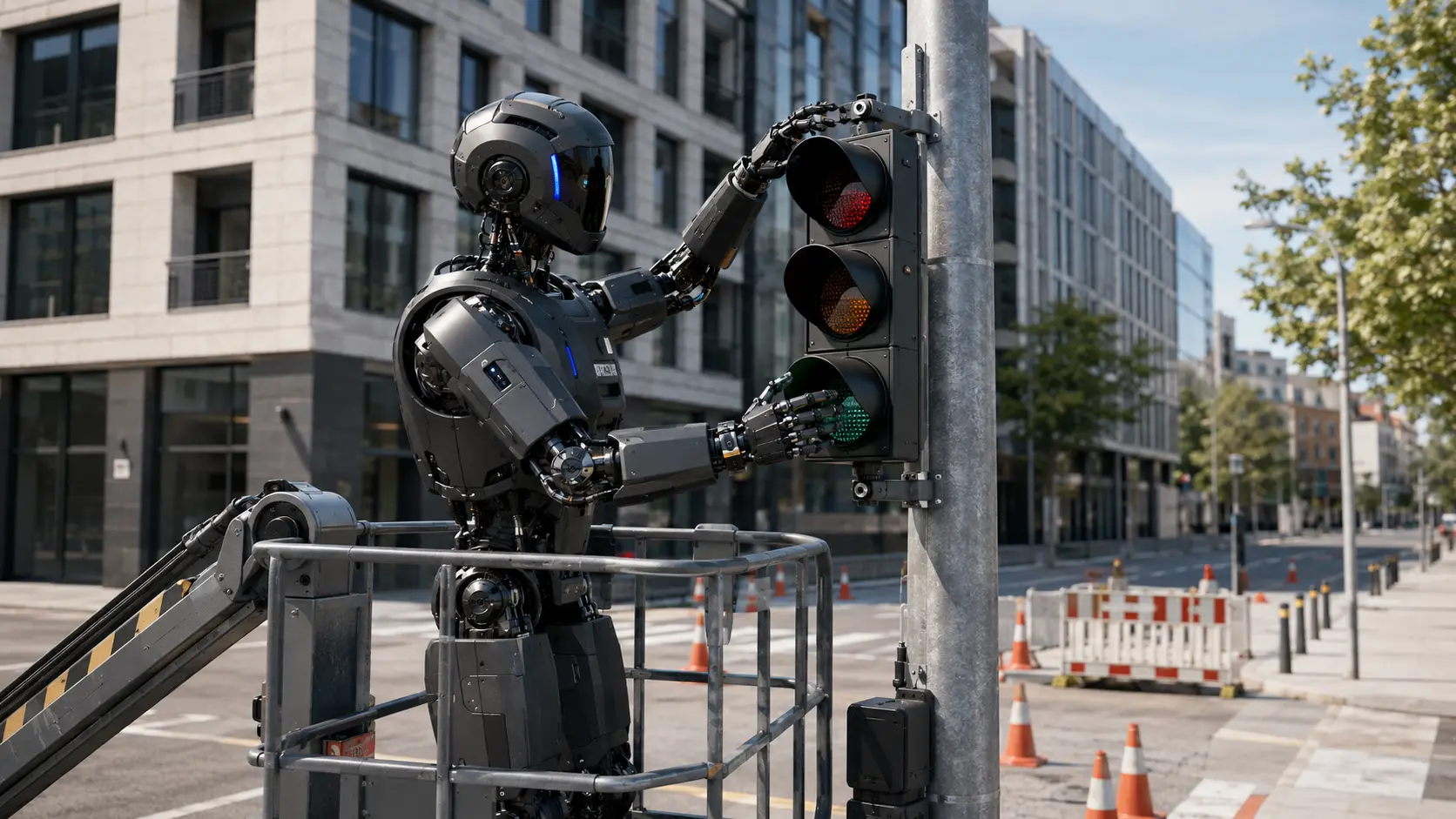
Public systems / Long-term service
Buy maintained capacity.
Not a machine.
03 / Integrated operating stack
One accountable layer
from skill to service.
GappAI's value is the coordinated system—not any single robot.
01Define
Operational scope, value, boundaries and service levels.
02Equip
Hardware, sensors, tools and connectivity selected independently of one OEM.
03Teach
Human demonstrations and task data converted into deployable skills.
04Validate
Safety, reliability, quality, cycle time and intervention requirements measured.
05Operate
Fleet supervision, maintenance coordination, incident handling and reporting.
06Improve
Operational experience strengthens the skill, the library and future deployments.
04 / Contracted demand
Essential work.
Recurring demand.
The model is intended for physical operations with measurable volume, persistent need and a credible path from pilot to multi-site service. Bankability depends on the strength of the counterparty and contract—not simply whether the customer is public or private.
Public systemsCities & infrastructure
Cleaning, inspection, transport systems, maintenance and essential municipal operations.
Creditworthy enterpriseFactories & logistics
Material flow, assembly, inspection, machine tending and variable line-side work for large operators.
Built environmentBuildings & campuses
Property operations, hospitality, hospitals, airports and large managed facilities.
Long termHomes & daily life
Safe, adaptable robotic services for routine physical work and independent living.
05 / Capital architecture
Technology company
GappAI holds the intelligence layer.
Core software, skill systems, operational methods, customer relationships and fleet-management capability remain concentrated in GappAI.
Fleet capital
Assets can be financed separately.
Dedicated fleet vehicles may own robots against contracted demand, allowing suitable banks, lessors, strategic investors and infrastructure capital to finance deployment without limiting GappAI to its own balance sheet.
06 / Development status
Vision with a staged path.
This page describes GappAI's intended operating model. It is not a claim that GappAI currently operates a commercial fleet, offers investment products or has secured public service contracts. The path begins with paid pilots, technical evidence and suitable partnerships; fleet ownership and financing follow only where contracted demand and validated performance support them.